Understanding Australian Property Regulations: What Buyers Need to Know


Introduction to Australian Property Regulations
When considering buying property in Australia, understanding the local regulations is crucial. These regulations vary across states and territories, and being familiar with them can help you make informed decisions. This guide will walk you through the essential aspects of Australian property regulations that every buyer should know.

Foreign Investment in Australia
Foreign buyers need to be aware of specific regulations governing their investments. The Foreign Investment Review Board (FIRB) oversees these transactions, and approval is often required before purchasing residential properties. It's important to consult with the FIRB to ensure compliance and avoid potential pitfalls.
Foreign investors must typically adhere to the following guidelines:
- Purchase of new dwellings is generally permitted.
- Buying established dwellings may require special conditions.
- Vacant land must be developed within a certain timeframe.
Stamp Duty and Taxes
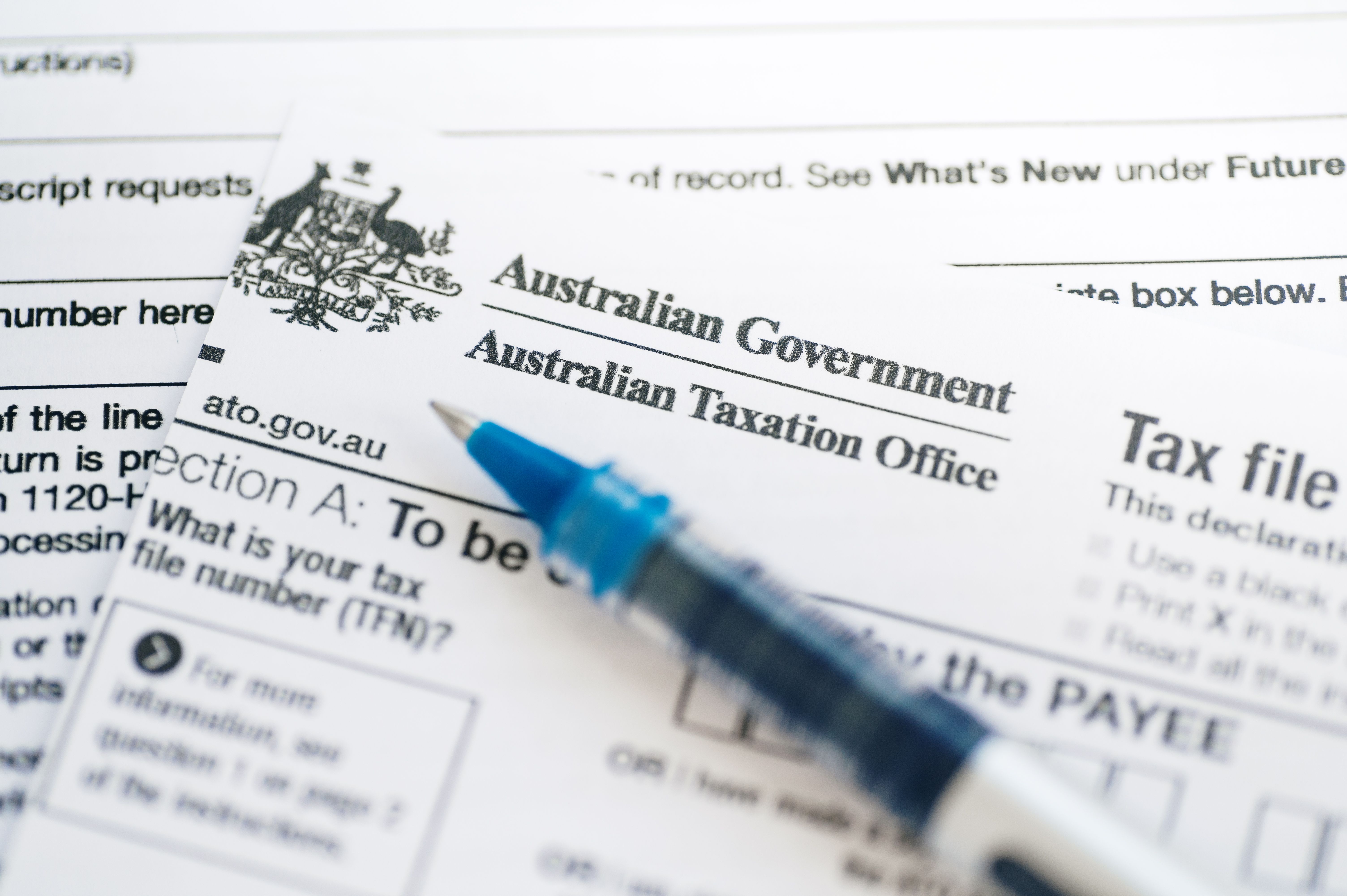
Stamp duty is a significant cost associated with property purchases in Australia. It varies by state and territory, and additional taxes may apply to foreign buyers. Understanding these costs upfront can help you budget more effectively for your property investment.
Consider the following when calculating stamp duty:
- The property's purchase price and location.
- Any exemptions or concessions you may be eligible for.
- Additional surcharges for overseas buyers.
Legal and Contractual Requirements
When purchasing property in Australia, it is essential to engage a legal professional to review contracts and ensure compliance with local laws. Contracts are binding and typically include clauses related to settlement dates, inspections, and finance approvals.
Key elements to consider include:
- Cooling-off periods, which vary by state.
- Special conditions that might affect your purchase.
- Legal obligations related to property disclosures.

Building and Pest Inspections
Conducting thorough building and pest inspections is a critical step in the property buying process. These inspections can uncover potential issues that may affect the property's value and your decision to proceed with the purchase.
It's recommended to hire licensed professionals who can provide detailed reports on the property's condition, helping you avoid unexpected repair costs in the future.
Conclusion
Understanding Australian property regulations is a vital part of the buying process. From foreign investment rules to stamp duty and legal requirements, being informed will empower you to make confident and successful property investments in Australia.
Consulting with legal and financial experts is advisable to ensure compliance and navigate the complexities of the Australian property market with ease.