Redesigning Your Real Estate Website: Key Elements for Success


Redesigning your real estate website can be a game-changer for attracting potential clients and standing out in a competitive market. An effective redesign should be focused on enhancing user experience, improving functionality, and showcasing properties in the best possible light. Here's a guide to the key elements you should consider for a successful website redesign.
Understanding Your Audience
Before diving into the redesign process, it's crucial to understand who your audience is. Are you targeting first-time homebuyers, luxury real estate clients, or commercial property investors? Each audience has different needs and expectations. Tailoring your website’s design and content to meet these specific needs can significantly increase engagement and conversion rates.

User-Friendly Navigation
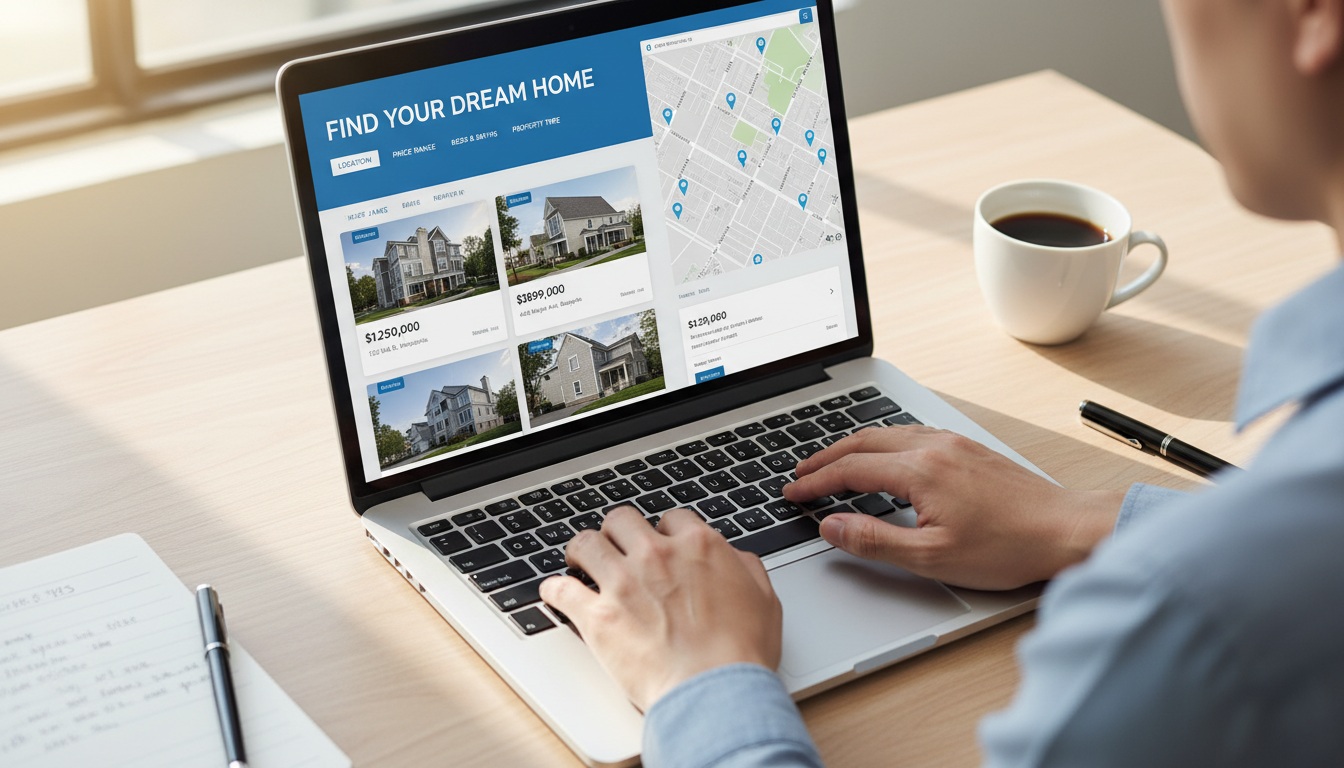
A seamless navigation experience is essential for keeping visitors on your site. Ensure that your website’s structure is intuitive, with clear menu labels and a logical flow. Implement a search function that allows users to filter properties by location, price, type, and other relevant criteria. This will make it easier for users to find what they are looking for and enhance their overall experience.
Visual Appeal and Branding
Your website should reflect your brand identity and convey professionalism and trust. Use high-quality images, a consistent color scheme, and typography that aligns with your brand. The use of video tours and virtual reality can also provide dynamic, engaging content that captures users' attention.

Responsive Design
With an increasing number of users accessing websites via mobile devices, having a responsive design is no longer optional. Ensure that your website functions well on all devices, from desktops to smartphones. This not only improves user experience but also boosts your site’s SEO ranking.
Property Listings and Descriptions
One of the main reasons people visit real estate websites is to view property listings. Make sure your listings are comprehensive and up-to-date. Include detailed descriptions, high-resolution images, floor plans, and neighborhood information. This will help potential buyers make informed decisions and encourage them to reach out for more information.
Integration with Social Media
Integrating your website with social media platforms can enhance your online presence and drive more traffic to your site. Include social sharing buttons on property pages, and consider embedding your social media feeds to keep visitors engaged with fresh content. This can also improve your chances of being discovered by a broader audience.
SEO and Analytics
Optimizing your website for search engines is essential for increasing visibility. Use relevant keywords, meta tags, and alt text for images to improve your website’s SEO. Additionally, set up analytics to track user behavior and identify areas for improvement. This data will provide valuable insights into what’s working and what needs adjustment.
In conclusion, a well-thought-out redesign of your real estate website can lead to increased traffic, higher engagement, and ultimately, more sales. By focusing on these key elements, you can create a site that not only meets the needs of your audience but also sets you apart from the competition.